



Cum îi afectează provocările de pe internet pe copiii din România și ce programe de prevenție există?
26.11.2025
de Andreea Archip, Ilustrații de Elena Chiriacescu Editor: Cristian Lupșa
How internet challenges affect children in Romania and what prevention programs exist?
One summer, I challenged myself to go swimming in the Ozana every day. It was what I loved most in the world in the Neamț where I grew up. Infinite fields, hide-and-seek in the dark, stealing corn for roasting. Childhood without boundaries. Two weeks before school started, according to a precise clock, anxiety would appear. I had nightmares, the fun was hollow, mornings grew cold, autumn filled our nostrils.
Those challenges had risks, but also the thrill of adventure. That hasn't changed—children today still seek a bit of danger in all the challenges they accept or generate.
But what has changed is the quantity of challenges and risks they are exposed to through technology and, especially, through phones.
Depression, anxiety, self-harm, suicide—all have increased in teenagers in recent decades as "play-based childhood" was replaced by "smartphone-based childhood," argues Jonathan Haidt, psychologist and author of The Anxious Generation. Half of American Gen Z say they wish TikTok had never been invented, yet they still won't detach from it. It's the paradox found by the psychologist in his research. OpenAI has also recognized the psychiatric risks of ChatGPT.
"Will we adapt to technology or be deformed by it?" Haidt asks.
What will you learn from this article? What are online challenges, how have they evolved, what are the false alarms, but also where are the real risks and how can they lead to family tragedies? I gathered stories about human power to transform tragedies into community projects, brilliant youth who know what needs to be done if adults would listen, how prevention programs without "don't do that!" in the title work, and what important role we, the press, have. In short, I looked for solutions.
For this article, divided into two episodes, I spoke with people from 15 to 73 years old—from Gen Alpha to Baby Boomers—on three continents. And the answer to what works will blow you away: education!
You will NOT find out in this series what the dangerous challenges consist of, nor will you find visual information about accidents or suicide. Exploiting a drama by depicting it explicitly in media can spark curiosity and cause other tragedies.
Let's begin!
Simply put, it's about those online videos of people doing something difficult or risky, posted for fun or to encourage others to repeat what they did. Some can be fun; others are dangerous and lead to injury or even death.
I came across something interesting in a 2021 global report: not all challenges start from something real; some are pranks or simple hoaxes.
First of all, I wanted to see if these challenges led to accidents here as well. So I sent requests to all 11 hospitals dedicated exclusively to pediatric pathology. Some replied that they do not centralize data on the cause of accidents, so they don't know how many were injured following social media challenges or prompts.
Two of them had some analysis:
I also wrote to the Romanian Police, who replied that in 2023-2025, 38 "Superman Challenge" type challenges were reported, and in the last three years there were 29 electrocution accidents of the "selfie on train" type, 9 of which were fatal.
The Police said they conducted hundreds of preventive activities and thousands of school actions and debates about "Superman/Paracetamol Challenge." I searched for these campaigns; they exist and were built with messages like "Avoid participating in dangerous challenges," "Do not be influenced by group pressure."
I will explain later why their effectiveness suffers and how they could find better solutions. Neither the General Inspectorate for Emergency Situations nor the Ministry of Education has data on the causes of accidents involving minors.
Thus, I obtained only a patched map of the phenomenon—in the last three years, 136 accident cases related to social media were officially recorded.
We also know that half of children aged 7 to 17 spend 6 hours a day on the internet, according to research by "Save the Children." Additionally, the age at which children in Romania access social media has dropped significantly: 32% of parents with children aged 5 to 10 say their son or daughter uses TikTok.
With all the data in mind, I take a quick trip to Buzău, where several high school students from "B.P. Hasdeu" College, actors in the troupe called "3.14," have gathered in the media room for a conversation about their real-virtual world.
I’ve been talking for half an hour with Bianca, Dara, Teo, Maria, Sofia, and Ruxandra. David would also join us. They are students from 9th to 12th grade, children of the pandemic. "I only got a phone during the pandemic. I don't think I would have received it otherwise," says Teo, now in 9th grade.
They were between 5 and 8 years old when the world was shaken by the "Blue Whale" hoax. Back in 2015, when the story circulated that someone was challenging children to harm themselves, parents at a local school were petitioning to protect them, and a PSD MP asked the Ministry of Interior what it was doing to stop the game, randomly associating two teenage suicides with this fake challenge without evidence.
The Buzău students remember the fear they lived through then. "I was very afraid that just by hearing about it, I would want to try," says Bianca, now in 12th grade. "Yes, it was total panic. Probably that's why there was this attraction toward the challenge, because it was talked about so much and children are attracted to something wow and explosive and scandalous," says Sofia.
I learn from them about other challenges they encountered in the virtual world or in front of their apartment block: the challenge to inhale deodorant, swallow a lot of cinnamon, drink Mentos with Coke, the Chucky game, "Bloody Mary, Bloody Mary," or the apparently innocent prompt: "My name is Teresa Fidalgo, if you don't send this message to 20 more people, I will sleep with you forever."
"One day, I forgot to send it and I got scared. When I saw no one came to me at night, I stopped sending any messages," says Dara. The girl does not have a TikTok account and receives congratulations for it.
"I noticed a pattern in the people around me who don't have TikTok. They are the most intelligent people in my life, they do many extracurricular activities, they are very sociable," Bianca tells her. Recent studies confirm what Bianca observed—that there is a correlation between consuming these short videos and poorer cognitive and mental health.
What kept them safe was the fact that their parents discussed it with them without panic. "They never spoke to me in a 'My God, how dangerous it is, you must never do that' way. They presented the problem more objectively than subjectively," says Dara. "You have to talk to a child just as you talk to an adult. I don't think we fully understand how intelligent children are and how much they can understand what's happening around them," Bianca adds.
I return from Buzău on an evening train where adults and children scroll with sound on their phones. More than about the chaos we all contribute to in public spaces, it's about the noise within us, greatly accentuated by social networks. How do we make silence?
A week ago, around noon, ambulance sirens wailed one after another on Aviatorilor Boulevard. Isabela Zybaczynski, a student at "I.L. Caragiale" National College, and I waited for a moment of quiet so we wouldn't have to shout. Isa is also an ambassador in the Ora de Net (Net Hour) program by "Save the Children" and explained to me that the online life of youth is no longer separate from the physical one.
"For us, both are in the same place. Saying we must give up the online world is irresponsible. It's like telling us to stop interacting with people physically. Or to only walk and never take the car."
Ora de Net is a European project promoting the "creative, useful, and safe use of the internet by children." In Romania, it's implemented by "Save the Children," which says it has reached 650,000 children and 175,000 parents in 7 years.
They organize courses for parents, teachers, and specialists, a reporting line for illegal harmful content, plus a network of volunteers who pass on information. Among them is Isa, who leads information sessions from primary grades up.
The Bucharest student also participates in international meetings discussing how European legislation could be changed for child safety. So far, only Australia has managed to adopt a law banning those under 16 from social media. Tech companies challenged the law and then proposed their own solution—identifying children by their friends and likes, the same way they find them for ads, and thus closing their accounts. This solved the problem raised by many with this "digital age of majority" law—no further personal data collection is required.
In Romania, the adoption of two laws regarding the digital age of majority and child protection from harmful content, with fines for tech companies, received warnings from the European Commission as they add regulations beyond European ones.
Increasing the age of use to 16 wouldn't work much, Isa believes. Currently, we can't even control access under 13. Plus, there will always be FOMO—fear of missing out—and children will be curious. "A solution would be for apps to have children's versions that are better regulated, with informational content, and where short-form content isn't prioritized."
She has a trick she thinks others could use: she keeps a digital journal. "Every 10 clips I watch on Instagram, regardless of whether I stay for a second or 10 seconds, I turn off the phone and write in a journal what impression each clip left on me. That way I realize what type of content I should consume more," the student explains.
I tell her about my trick—the Minimalist phone app. Once installed, apps no longer have icons and can only be searched by name, and when you enter social media, it asks from the start how many minutes you intend to stay. It reduced my screen time by two-thirds. And let's not forget I am 40 with a developed prefrontal cortex. We'll get to the brain development part immediately.
Jonathan Haidt also spoke about FOMO keeping children there: children "don't want to be the only ones (who give up social media). If we could all give up, then most would."
A few girls with eyes on their phones pass by the path in Herăstrău where Isabela and I found a bench. Then a skateboarder. Further on, some boys play with a ball. Media literacy and education are needed, Isa concludes. And what we see around us: safe spaces with outdoor activities.
"All children who said they use social media or the internet excessively said they are bored, that they have nothing else to do," Claudia Oprescu, online safety program manager at Save the Children, told me. "And then, let's move the spotlight from online friend groups to the friend groups you meet with, talk to, go out with, and practice a sport."
Claudia receives increasing requests from schools and parents for their programs. "If we try to protect through excessive warnings and fear, this excessive warning can be interpreted as an invitation. What we try to do is an invitation to analysis, to breathe, to stop for a few minutes. We explain the mechanism behind it. That those views and likes bring money to someone." Not to them.
Big tech companies are today estimated at trillions of dollars. I personally cannot grasp how much that is, so I looked at country GDPs—NVIDIA alone is worth 4 trillion, as much as the entire gross domestic product of Germany, the world's third-largest economy.
"A 15-year-old girl died after a TikTok challenge," several local publications headlined last year. I wanted to see what happened there after media interest faded. Was there truly a challenge involved?
Shortly after her daughter's funeral, Corina* burned all her things. Out of pain. She burned all the manga and anime books, video games, notebooks. She still has a message exchange from the girl's friends; one classmate was even sending her prompts for suicide. A year later, the woman tries to come to terms with the idea that she will never know what happened to Maria*.
"I suspect if it was planned in advance, maybe she would have thought to leave us something, a note," the mother says.
It was October 2024, a day like any other. Corina was in therapy with Maria's younger brother; the girl had come from school and called her, saying she had eaten and wanted to go do a French project with a classmate. "And that was the last conversation."
She had finished eighth grade in the Călărași village where she lived, then went to high school in the city, and the first month had been hard. She felt she couldn't make friends. She spent more time on her phone.
The relationship with the phone was problematic in middle school too. "She was still a student of ours and the parents took her phone because they discovered she had entered a strange and possibly dangerous group. They asked for my personal support; I talked to her, told her about the differences between online and real-world friendships. At one point she stood up and told me: 'please do not insult my friends!'" recalls one of her teachers.
Until eighth grade, she had parental control on her phone; she couldn't access it from 10 PM to 7 AM. In middle school, she even went to a few "respiro" camps—camps for teenagers where you aren't allowed to use phones.
After entering high school, she no longer had restrictions; she spent a lot of time on Discord, playing Honkai: Star Rail or Five Nights at Freddy’s. Her parents were actually more relaxed because recently she seemed to spend more time with the family. "Either she was afraid to stay on the phone anymore, I don't know, she would leave the phone in her room and come sit with us in the kitchen. We told ourselves maybe she had matured."
And yet, somewhere she came across a suicide method she used. "The police gave us no clear conclusion; they only told us it wasn't a challenge from their point of view, meaning she didn't receive a message telling her 'do this or if you do this...'. Probably she no longer distinguished between games and reality," her mother adds.
"I wish no parent ever had to go through this," says Corina.
In Romania, it is unknown how many families have gone through this and need support. How many parents wonder how to get their children out of the world of phones or how to help them give up harmful behaviors. But concerned parents do exist.
In late October, I was in the same room with 21 parents from Bucharest looking for answers at the event "Emotional Wi-Fi: How to Connect with Your Teenager."
In a brightly lit room at the Bucharest Hospitals and Medical Services Administration (ASSMB), 20 mothers and one father listen to psychiatrist Ema Andrei and psychologist Elena Culacenco. The two also team up at the "Prof. Dr. Al. Obregia" Psychiatric Hospital, and tonight they are explaining to parents more about their teenagers' brains and how to support them.
In short, the amygdala, the "emotional brain," is developed, while the prefrontal cortex—responsible for planning, impulse control, risk assessment, the part "that tells you to wait a second"—fully develops around age 25. "The teenager is like a very powerful car with weaker brakes," Ema Andrei simplifies.
"It's possible that in adolescence they seek joy in more intense things. Last year they felt so good with mom and dad at the sea; now they want to go to Beach, Please! with friends. It's normal to ask; whether they receive is a discussion," the doctor tells them.
Psychologist Elena Culacenco shows them a video of the "still face" experiment. A mother plays with her baby, talks to them, shows them things around the room, laughs, and suddenly freezes any facial expression. The child tries to get her attention, seems not to understand what's happening to the mother, then starts to cry.
They talk about how a lack of affection or attention from parents can influence the child's emotional well-being. "When I can't name the emotion, when it's too strong, that's when this self-harming behavior can appear—they burn, they cut, they choke. Hence the need for emotional regulation and for them to have a model of emotional regulation beside them," the psychologist explains.
She elaborates on three emotions: anger, sadness, and shame. "We don't end up in risky situations when we are allowed to mourn, to sit with the emotion. But parents usually offer alternatives like 'don't cry anymore,' 'let's go to the store and buy something,' because they themselves find it hard to sit with that emotion," she tells them.
This is the third meeting of the Parent School organized by ASSMB precisely to reduce the stigma of psychological or psychiatric treatment. And the questions are many: "If they end up harming themselves, don't they do it out of impulsivity or curiosity?", "what do I do with the older teenager who is aggressive with the younger one?", "how can I manage things when they rip their clothes off?", "if I punish them by cutting off internet access when they're aggressive, aren't I teaching them to hold it in and then explode?", "how do I convince them to go to a psychologist?"
The last question of the evening goes straight to the mark: "You said the number of children in these self-harm situations has increased. Why?"
"The security we had 40 years ago no longer exists," psychiatrist Ema Andrei tells them. "There is a lot of competitiveness, a desire to perform. These are children who lived through the pandemic, when they didn't have natural experiences. Loneliness is a major risk factor. Both our children and we are tied to phones. An object will never help us with emotional regulation. Relationships are needed; connection is needed."
Later, I discuss at length with her what she encounters in the hospital, in the pediatric psychiatry department, and in research related to children and their relationship with social media. At one point, even at "Obregia," teenagers would come to the emergency room saying they wanted to harm themselves, but then doctors discovered they had only come because they were challenged by other classmates.
The doctor wants to emphasize from the start about phones that "they are neither villainous nor a miraculous instrument. Networks started from the idea of connection and people's need to stay in touch. And they do that."
Obviously, there are dangers, but what matters, Ema Andrei emphasizes, "is connection." "Emotional Wi-Fi."
"We connect with children to guide them toward safety. Limits matter, that's clear—time limits, for example, for how long children and teenagers spend in front of screens—but it matters much more that they know an adult is there, a person of support and trust."
I was working in television 14 years ago when a teenager died by suicide and the accusing finger pointed at the book The Suicide Shop by Jean Teulé, which the girl supposedly read. There was talk then of banning the book.
Three years after that, in 2014, a Romtelecom commercial with Smiley and Pavel Bartoș, in which they climbed onto a moving train, was banned by the National Audiovisual Council. Doctors signaled that dozens of children had been electrocuted by trains. I remember doing a stand-up on the platform of Băneasa Station explaining the electric arc that occurs even if you don't touch the high-voltage wires. I blurred the footage filmed by the night reporter of the railway accident involving two teenagers. And yet, why was it okay to air them, even blurred? I wonder today.
"What is media? Is a pack of cigarettes with a message on it media?" journalist Bianca Oanea asks the teachers gathered on Zoom to find out how they can insert media education elements into their classes, whether they teach Romanian, Geography, English, or German.
They go through all the elements to look at to navigate through media information. "A railway employee cannot tell us about the evolution of diseases. Or an influencer. If someone is famous, it doesn't mean their opinion is relevant," Bianca explains. They then discuss how they can use journalistic texts for analysis in English and Romanian, and how in Geography, when learning about a new country, they can watch a tourism clip and extract what is opinion and what is information.
The media education program, held that Friday afternoon by Bianca Oanea, was created in 2017 by the Center for Independent Journalism (CJI) to combat disinformation. Since then, 1,000 teachers have followed it and 10,000 have learned from it through dissemination activities. Cristina Lupu, president of CJI, told me there is great interest from schools to bring courses in, but when they approach them, they expressly ask to tell students what they are not allowed to do on the internet. A kind of pill for a childhood illness.
CJI courses come with a broad information base to understand how media works, persuasion techniques and biases, message deconstruction, public rights, AI with miracles and dangers, and media education didactics. Teachers will know how to teach media education, just like the Romanian teacher in Buzău whose students were so excited.
"I remember, when I was little, I would ride a toy car on the roof of the house, and it wasn't a trend. It was that little child brain," Cristina says. "Looking back, I wonder how I didn't get hurt. And I didn't have access to social media. Every age comes with its own idea of doing things. The difference between me as a child and today's child is that now it's on steroids. Now you have platforms that strongly amplify this FOMO."
There is also what American journalist and author Nicholas Carr called "social contagion" in his book SuperBloom. Starting in 2019, children in the US, Germany, and Canada arrived at medical offices with strange tics, repetitively saying "Potato" or "Flying sharks." They had something in common—"they were fans of popular influencers on TikTok or YouTube who suffered or claimed to suffer from Tourette syndrome." The network "is itself an ideal vector for the imitative or sociogenic transmission of distress."
In their courses, CJI always challenges teachers to think what it would have been like for them as teenagers to have today's phones and possibilities. "If we carry on this conversation that they are immature and stupid and don't look at how we build contexts and spaces in which they can safely test their limits, we won't get far," says Cristina Lupu.
Traditional media doesn't help at all when it comes out with bombshell headlines about these phenomena: clickbait, with explicit details about how that accident occurred—information that makes the victims identifiable.
"It is important to talk about trends and challenges, but to also think why we are talking about it. Are we talking to get traffic and show what this generation is doing, or are we talking to fulfill our mandate to inform the public?" Cristina Lupu points out.
International practice says that topics about accidents or deaths due to online challenges should be treated in journalistic articles similarly to suicides. I’ve gathered an ABC of covering these subjects:
I walk through the warm air of the first day of November, after the play Dark Play. I feel like laundry put out to dry after coming out of a 1,400 RPM spin cycle. Two and a half hours ago, I entered a whirlwind of lies, a psychedelic delirium created by Nick, a teenager who finds refuge online, inventing identities, playing with others' minds. I wanted to get up and leave, but I couldn't. Is that how Maria, the student from Călărași, felt, caught in dark video games, crude dialogues with classmates, frightening animations?
Actor Matei Arvunescu, who surely burned at least 5,000 calories on stage, managed to terrify me with the alternation between a psychopath's face and that of a wounded child. Unregulated social media platforms put fuel into the powerful emotional engines of teenagers; they are accelerators of monstrosities. What pulls them toward the light?
I think of Isa telling me on that sunny October day in the park how absurd people's demand is for them to give up the internet: "It's like telling us to stop interacting with people physically. To only walk and never take the car."
Except that the online world is not just about friendship and fun; it's also that dark world of Nick or Jamie from the miniseries Adolescence.
To recap: I have an incomplete map of data from Romanian authorities regarding the number of children affected by social media challenges. Is it the tip of an iceberg or something sporadic?
We have some educational initiatives in Romania, except it seems that, instead of knitting the blanket from one end, we’ve started small pieces here and there. What should effective prevention programs look like? I discovered such initiatives in France, Brazil, and the USA. In the second part.
M-am provocat într-o vară să merg în fiecare zi la scăldat la Ozana. Era ce-mi plăcea cel mai mult pe lume în Neamțul în care am crescut. Câmpuri infinite, de-a v-ați ascunselea pe întuneric, furat de porumb pentru copt. Copilărie fără margini. Cu două săptămâni înainte de începerea școlii, după un ceas precis, apărea anxietatea. Aveam coșmaruri, distracția era știrbă, diminețile se răceau, toamna ne umplea nările.
Provocările astea erau cu riscuri, dar și cu fiorii aventurii. Asta nu s-a schimbat - copiii caută și azi puțin pericol în toate provocările pe care le acceptă sau generează.
Dar ce s-a schimbat e cantitatea de provocări și riscuri la care sunt expuși prin tehnologie și, mai ales, prin telefoane.
Depresie, anxietate, autovătămare, suicid, toate au crescut la adolescenți în ultimele decenii, pe măsură ce „copilăria bazată pe joacă” a fost înlocuită cu cea „bazată pe smartphone”, susține Jonathan Haidt, psiholog și autor al cărții „Generația anxioasă”. Jumătate din GenZ americani spun că își doresc ca TikTok să nu fi fost inventat, dar tot nu vor să se desprindă de el. E paradoxul aflat de psiholog în urma unei cercetări. Și OpenAI a recunoscut riscurile psihiatrice ale ChatGPT.
„Ne vom adapta la tehnologie sau vom fi deformați de ea?”, se întreabă Haidt.
Ce sunt provocările/challenge-urile online, cum au evoluat, care sunt alarmele false, dar și unde sunt riscurile reale și cum pot duce la tragedii de familie?
Am adunat povești despre puterea omului de a transforma tragediile în proiecte pentru comunitate, tineri sclipitori care știu ce trebuie făcut dacă adulții i-ar asculta, cum funcționează programele de prevenție alea fără „nu fă asta!” în titlu, dar și ce rol important avem noi, presa. Pe scurt, am căutat soluții.
Am vorbit pentru acest articol, împărțit în două episoade, cu oameni de la 15 la 73 de ani, deci de la Alpha la Baby Boomers, de pe trei continente. Și răspunsul la ce funcționează o să te dea pe spate: educația!
NU vei afla din această serie în ce constau provocările periculoase, NU găsești nici informații vizuale despre accidente sau suicid. Exploatarea unei drame prin redarea ei explicită în media poate stârni curiozitatea și provoca alte tragedii.
Să pornim!
Simplu, e despre acele videouri pe care le găsim în online cu persoane care fac ceva dificil sau riscant, postate de distracție sau ca să-i încurajeze și pe alții să repete ce au făcut ei.
Unele pot fi distractive, altele sunt periculoase și duc la răni sau chiar moarte.
Am mai dat peste ceva interesant într-un raport global „Explorarea răspunsurilor eficiente de prevenire și educare la provocările periculoase din mediul online”, făcut în 2021 - nu toate challengeurile pleacă de la ceva real și unele sunt niște farse, simple păcăleli.
Farsele de pe net sunt acele trucuri create ca să facă pe cineva să creadă un lucru înfricoșător, dar care nu este adevărat (gen „trimite la 100 de persoane mesajul… că altfel…”),
Provocările false (hoax challenges), ca Momo sau Balena albastră, sunt prezentate drept pericole și „jocuri” de sinucidere, pornite de la „un răufăcător” de undeva, a cărui existență nu a fost probată vreodată. Genul ăsta de informații sunt rezultatul contaminării între știri false și adevăruri parțiale difuzate prin intermediul mass-media, dar chiar și așa, ele stârnesc panică și duc la accidente.
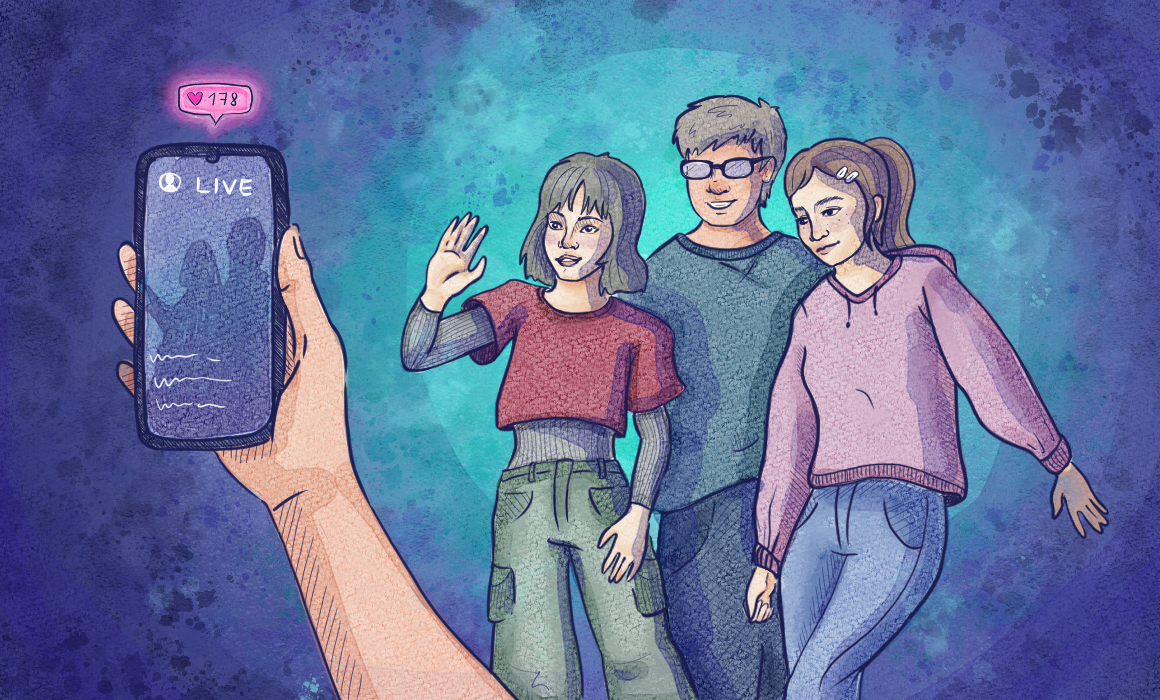
Am vrut înainte de toată să văd dacă provocările astea au dus la accidente și pe la noi. Așa că am trimis solicitări către toate cele 11 spitale dedicate exclusiv patologiei pediatrice. O parte mi-au răspuns că nu centralizează date despre cauza accidentelor care îi aduc pe copii și adolescenți la tratament, așadar nu știu câți s-au accidentat în urma unor provocări sau îndemnuri din social media.
Două dintre ele aveau ceva analize:
- Spitalul de copii „Sfânta Maria” din Iași a început să cuantifice din 2024 cazurile care au ajuns la ei în urma Superman challenge (cum îți ziceam, n-o să o descriu): au fost 21 în 2024 și 12 anul acesta până în prezent. Tot anul acesta au fost și 2 cazuri cu ingestie de lalele, probabil legată de „tulip challenge”. Medicii spun că „de multe ori, pacienții/aparținătorii nu declară realitatea” și că deși ei le recomandă tuturor psihoterapia, în majoritatea cazurilor este refuzată de familie, „care consideră situația un «simplu incident»”.
- Spitalul Clinic de Urgență pentru Copii „Grigore Alexandrescu” a înregistrat în baza sa de date doar o singură perioadă - 30 noiembrie - 4 decembrie 2024, când au avut 34 de pacienți cu leziuni provocate de Superman Challenge. „16 băieți și 18 fete cu vârsta medie de 14 ani”. Fracturi de brațe și de umăr, unele care au necesitat sedare pentru tratament și chiar internare.
Am scris și Poliției Române care mi-a răspuns că în perioada 2023-2025, au fost sesizate 38 de provocări de tipul «Superman Challenge»”și că în ultimii trei ani au fost 29 de accidente prin electrocutare de tipul „selfie pe tren”, din care 9 fatale.
Poliția a spus că a făcut și sute de activități preventive în cadrul campaniei „Selfie pe tren, nu ia like-uri, ia vieți” și mii de acțiuni în școli și dezbateri despre „Superman/Paracetamol Challenge”. Am căutat aceste campanii, ele există și au fost construite cu mesaje de tipul „Evitați participarea la provocări periculoase”, „Nu vă lăsați influențați de presiunea grupului”.
O să-ți explic mai încolo de ce eficacitatea lor are de suferit și cum ar putea găsi soluții mai bune.
Nici Inspectoratul General pentru Situații de Urgență și nici Ministerul Educației nu au date cu privire la cauzele accidentelor care implică minori.
Așadar, am obținut doar o hartă peticită a fenomenului - în ultimii trei ani, au fost înregistrate oficial 136 de cazuri de accidente legate de social media.
Mai știm și că timpul petrecut pe internet de jumătate dintre copiii între 7 și 17 ani este de 6 ore pe zi, aproape cât o zi de muncă, potrivit cercetărilor făcute de Organizația „Salvați copiii”. În plus, a scăzut mult vârsta la care copiii din România au acces la social media: 32% dintre părinții cu copii între 5 și 10 ani spun ca fiul sau fiica lor utilizează TikTok.
Chucky și Bloody Mary la Buzău
Cu toate datele în minte, trag o fugă până la Buzău, unde câțiva liceeni de la Colegiului „B.P. Hasdeu”, și ei actori în trupa numită „3,14”, s-au adunat în sala media pentru o conversație despre lumea lor real-virtuală.
- Eu acum, dacă aș avea un copil, nu i-aș da telefon mai devreme de 12 ani.
- Și eu mă gândesc la asta. La ce s-a ajuns acum pe social media... Sau cel puțin nu unul care are acces la social media.
- Poți să ajungi în rabbit holes, deci e endless chestia asta cu social media și ce poate să-ți ofere.
Vorbesc de jumătate de oră cu Bianca, Dara, Teo, Maria, Sofia, Ruxandra. Avea să ni se alăture și David. Sunt elevi de la a 9-a la a 12-a de la „Hasdeu” din Buzău, copiii pandemiei. „Eu abia la pandemie am primit telefon. Nu cred că aș fi primit altfel”, zice Teo, care azi e în clasa a 9-a.
Aveau între 5 și 8 ani când lumea era scuturată de provocarea falsă „Balena albastră”. Atunci, în 2015, când a început să circule povestea că cineva îi provoacă pe copii să-și facă rău fizic, părinții de la o școală din oraș făceau o petiție pentru a-i proteja pe copii de Balena albastră și un parlamentar PSD întreba Ministerul de Interne ce face să oprească jocul, asociind la întâmplare două sinucideri ale unor adolescenți cu această provocare falsă, fără să existe dovezi în acest sens.
Elevii buzoieni își amintesc spaima pe care au trăit-o atunci. „Îmi era foarte frică că doar dacă aud despre, o să vreau să încerc”, spune Bianca, azi într-a 12-a. „Da, era o panică totală. Probabil și de asta era atracția asta spre challenge, pentru că se vorbea foarte mult și copiii sunt atrași de ceva wow și exploziv și scandalos”, spune și Sofia.
Aflu de la ei despre alte provocări pe care le-au întâlnit în lumea virtuală sau în fața blocului: provocarea să inhalezi deodorant, să înghiți multă scorțișoară, să bei mentosane cu Cola, jocul cu Chucky, „Bloody Mary, Bloody Mary” sau îndemnul aparent inocent: „Mă numesc Teresa Fidalgo, dacă nu trimiți acest mesaj la încă 20 persoane, voi dormi cu tine mereu”.
„Într-o zi, am uitat să trimit și m-am speriat. Când am văzut că nu a venit nimeni noaptea la mine, nu am mai trimis niciun mesaj”, spune Dara. Fata nu are cont de TikTok și își primește felicitările la scenă deschisă.
„Am observat un tipar la oamenii din jurul meu care nu au TikTok. Sunt cei mai inteligenți oameni din viața mea, fac foarte multe activități extracurriculare, sunt foarte sociabili”, îi spune Bianca. Studii recente confirmă ce a observat Bianca, că există o corelare între consumul de aceste video-uri scurte și o sănătate cognitivă și mentală mai precară.
- Eu cred că social media este o adicție.
- 100%.
- Mai ales de când cu doom scrolling (consum excesiv de conținut negativ sau deranjant în online).
- Adică nu știu cum să reglez chestia asta, că mă influențează foarte mult în disciplină și în motivație.
Ce i-a ținut pe ei în siguranță a fost faptul că părinții lor au discutat cu ei fără panică. „Nu mi-au vorbit niciodată la modul «Doamne, cât de periculos e, tu să nu faci niciodată asta». Mi-au prezentat problema mai mult obiectiv decât subiectiv”, spune Dara. „Trebuie să vorbești cu un copil la fel cum vorbești cu un adult. Nu cred că înțelegem pe deplin cât de inteligenți sunt copiii și cât de mult poate să înțeleagă din ce se întâmplă în jurul lor”, completează Bianca.
- Noi avem opțional anul ăsta de educație media. E primul an în care facem.
- Serios? Cu cine? Cu doamna de română.
- Wow, ce tare! Ce faceți?
- Păi, deci nu scriem nimic, este totul practic. Ne uităm la materiale și după discutăm despre ele, ce e real, ce nu e real.
- Mi-aș dori și eu să fac!
Mă întorc de la Buzău cu un tren de seară în care adulți și copii scrollează cu sonor pe telefoane. Mai mult decât despre haosul la care ajungem să contribuim cu toții în spațiile publice, e despre gălăgia din noi, mult accentuată de rețelele sociale. Cum facem liniște?
Cu o săptămână în urmă, în jurul prânzului, sunau sirenele ambulanțelor una după alta pe bulevardul Aviatorilor. Eu și Isabela Zybaczynski, elevă la Colegiul Național „I.L. Caragiale” așteptam momentul de liniște ca să nu trebuiască să țipăm când vorbim. Isa este și ambasadoare în programul Ora de Net al Organizației „Salvați Copiii” și mi-a explicat că viața în online a tinerilor nu mai este separată de cea fizică.
„Pentru noi, amândouă sunt în același loc. A spune că trebuie să renunțăm la online este un lucru iresponsabil. E ca și cum ne-ai spune să nu mai interacționăm cu oameni fizic. Sau să mergem doar pe jos, să nu mai luăm niciodată mașina.”
Ora de net este un proiect european care promovează „utilizarea internetului de către copii într-un mod creativ, util și sigur”. În România, e implementat de „Salvați copiii” care, în 7 ani, spune că a ajuns la 650 de mii de copii și 175.000 de părinți.
Sunt organizate cursuri pentru părinți, profesori și specialiști, o linie de raportare pentru conținut dăunător ilegal, plus o rețea de voluntari care dau mai departe informațiile. Printre ei și Isa, care conduce sesiuni informative de la clasele primare în sus.
În plus, eleva din București participă și la diverse reuniuni internaționale unde se discută cum ar putea fi schimbată legislația europeană pentru siguranța copiilor. Până acum, doar Australia a reușit să adopte o lege care interzice celor sub 16 ani să intre pe social media. Companiile tech au atacat legea și apoi au venit ele cu soluția - să-i identifice pe copii după ce prieteni au și ce like-uri dau, adică la fel cum îi găsesc când le dau reclame, și așa să le oprească conturile. Asta a rezolvat problema pe care o ridică toți cu această lege a „majoratului digital” - nu mai trebuie să colecteze alte date personale.
Creșterea vârstei de utilizare la 16 ani nu ar funcționa prea mult,crede Isa. Acum nu putem controla nici accesul sub 13 ani. În plus, va exista mereu acest FOMO - fear of missing out - și copiii vor fi curioși să vadă ce e pe internet. „O soluție ar fi ca aplicațiile să aibă versiuni și de copii, care să fie mai bine reglementate, cu conținut informațional, să nu fie prioritizat acela de formă scurtă.”
Ea are un truc care crede că ar putea să le folosească și altora: ține un fel de jurnal digital. „La fiecare 10 clipuri pe care le văd pe Instagram, indiferent că stau o secundă pe fiecare sau 10 secunde, opresc telefonul și îmi scriu într-un jurnal ce impresie mi-a lăsat fiecare clip. Așa îmi dau seama ce tip de conținut ar trebui să consum mai mult”, explică eleva.
Îi zic de trucul meu - Minimalist phone app care după ce e instalată, aplicațiile nu mai au emoticoane și pot fi căutate doar după nume, iar când intri pe social media te întreabă de la început câte minute ai de gând să stai. Mi-a redus screen time-ul la o treime. Și să nu uităm că eu am 40 de ani și cortexul prefrontal dezvoltat. Ajungem și la partea cu dezvoltarea creierului imediat.
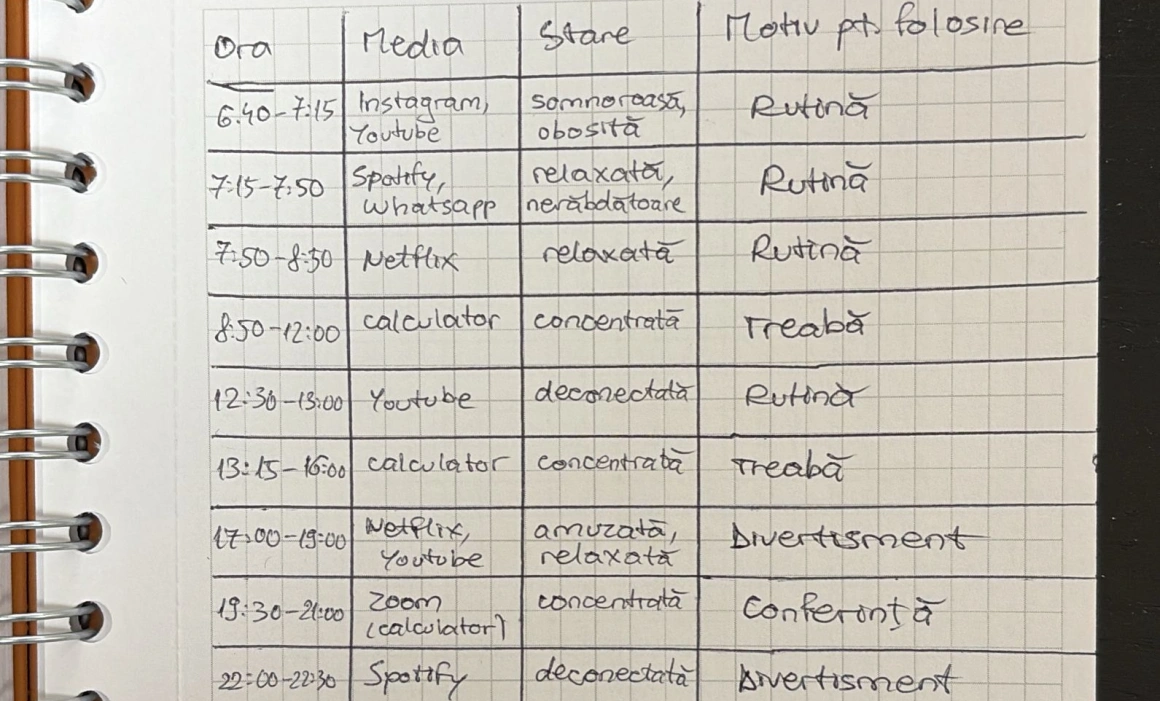
Despre FOMO care îi ține pe copii acolo vorbea și Jonathan Haidt, autorul cărții „Generația anxioasă”: copiii „nu vor să fie singurii (care renunță la social media). Dacă am putea renunța cu toții, atunci, majoritatea ar face-o.”
Câteva fete cu ochii în telefoane trec pe aleea din Herăstrău unde eu și Isabela ne-am găsit o bancă. Apoi un skateboarder. Mai încolo câțiva băieți se joacă cu mingea. E nevoie de alfabetizare media și educație, concluzionează și Isa. Și de ceea ce vedem în jurul nostru: spații sigure cu activități în aer liber.
„Toți copiii care au spus că folosesc social media sau internetul excesiv, au spus că se plictisesc, că ei nu au altceva de făcut”, mi-a spus și Claudia Oprescu, manager de programe siguranță online la Salvați Copiii. „Și atunci, haideți să mutăm reflectoarele de pe grupuri de prieteni din online, pe grupurile de prieteni cu care te întâlnești, cu care vorbești, ieși și practici un sport.”
Claudia primește cereri tot mai multe de la școli și părinți să ajungă programele lor la copii. „Dacă încercăm să protejăm prin avertizări excesive, prin frică, această avertizare excesivă poate fi interpretată drept invitație. Ce încercăm noi să facem este o invitație la analiză, să respiri, să te oprești câteva minute. Le explicăm mecanismul din spate. Că acele vizualizări, like-uri, aduc bani cuiva”. Nu lor.
„O fată de 15 ani a murit după un challenge de pe TikTok”, titrau mai multe publicații de la noi anul trecut. Am vrut să văd ce s-a întâmplat acolo după ce interesul media a pălit. A fost cu adevărat un challenge la mijloc?
La puțină vreme după înmormântarea fiicei sale, Corina* i-a ars toate lucrurile. De durere. A ars toate cărțile manga și anime, jocurile video, caietele. Mai are un schimb de mesaje de la prietenii fetei, un coleg chiar îi trimitea îndemnuri la suicid. La un an distanță, femeia încearcă să se împace cu ideea că nu va ști niciodată ce s-a întâmplat cu Maria*.
„Bănuiesc că dacă era plănuit dinainte, poate că s-ar fi gândit să ne lase și nouă ceva, un bilet”, spune mama.
Era luna octombrie 2024, o zi ca oricare alta. Corina era la terapie cu fratele mai mic al Mariei, fata venise de la școală și a sunat-o, i-a spus că a mâncat și că vrea să meargă să facă un proiect la franceză cu o colegă. „Și asta a fost ultima discuție.”
Terminase clasa a opta în satul din Călărași unde locuia, apoi a plecat la liceu la oraș și prima lună fusese grea. Simțea că nu poate lega prietenii. Stătea mai mult pe telefon.
Relația cu telefonul a fost problematică și în generală. „Era încă elevă la noi și părinții i-au luat telefonul că au descoperit că intrase într-un grup ciudat și posibil periculos. Au cerut sprijinul meu personal, am discutat cu ea, i-am vorbit despre diferențele dintre prieteniile din lumea online și cea reală. La un moment dat s-a ridicat și mi-a spus: «vă rog să nu-mi jigniți prietenii!»”, își amintește una dintre profesoarele ei.
Până în clasa a opta a avut control parental la telefon, nu putea intra pe telefon de la 10 seara la 7 dimineața. În gimnaziu, chiar a fost în câteva tabere respiro, adică tabere pentru adolescenți unde nu ai voie să folosești telefonul.
După ce a intrat la liceu, nu a mai avut restricții, stătea mult pe Discord, juca Honkai Star Rail sau Five Nights at Freddy’s. Părinții chiar erau mai liniștiți că în ultima perioadă părea că stătea mai mult cu familia. „Ori îi era teamă să mai stea pe telefon, nu știu, lăsa telefonul în cameră și venea și stătea cu noi la bucătărie. Ne-am zis că poate s-a mai maturizat.”
Și totuși, undeva a dat peste o metodă de suicid pe care a folosit-o. „Poliția nu ne-a dat nicio concluzie clară, ne-a spus doar că nu a fost o provocare din punctul lor de vedere, adică n-a primit un mesaj care să-i spună «fă asta sau dacă faci asta…». Probabil că ea nu mai făcea diferența între jocuri și realitate”, mai spune mama ei.
„Aș vrea ca niciun părinte să nu mai treacă prin așa ceva”, spune Corina.
În România nu se știe câte familii au trecut prin asta și au nevoie de suport. Câți părinți se întreabă cum să-i scoată pe copii din lumea telefoanelor sau cum să-i ajute să renunțe la comportamente vătămătoare. Însă părinți preocupați există.
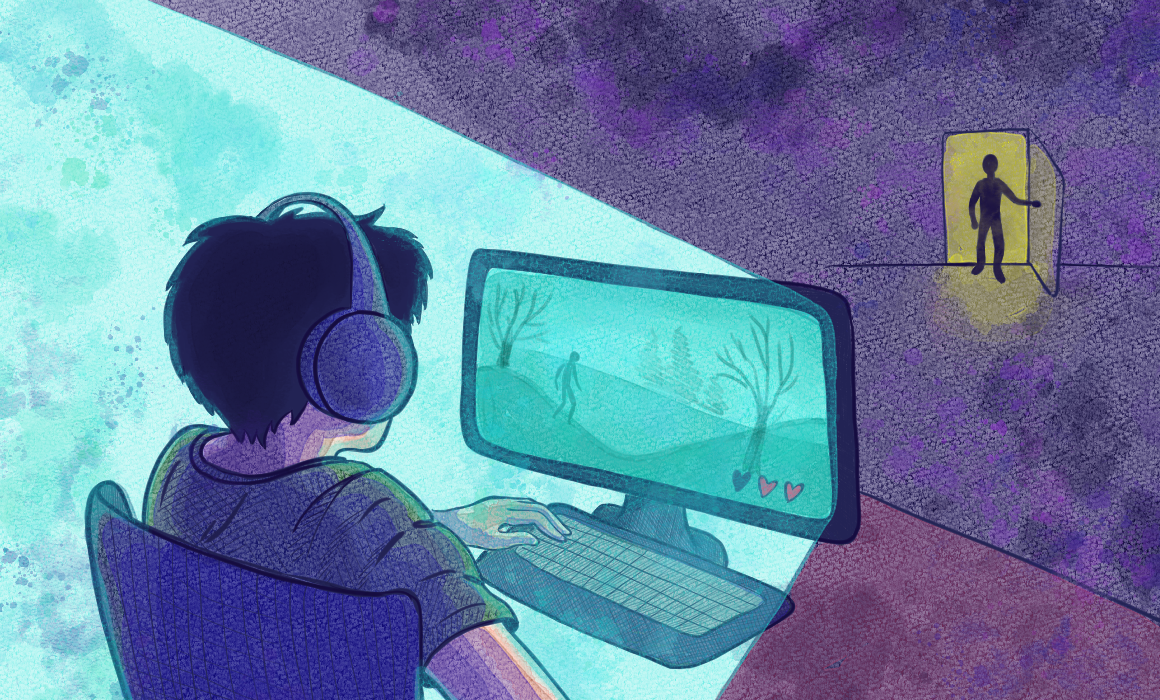
La final de octombrie mă aflam în aceeași cameră cu 21 de părinți din București în căutare de răspunsuri, la evenimentul „Wi-Fi Emoțional: Cum Te Conectezi la Adolescentul Tău”.
Într-o sală luminată puternic de la sediul Administrației Spitalelor și Serviciilor Medicale București (ASSMB), 20 de mame și un tată le ascultă pe psihiatra Ema Andrei și psihologa Elena Culacenco. Cele două fac echipă și la Spitalul de Psihiatrie „Prof. Dr. Al. Obregia” și în seara asta le explică părinților mai multe despre creierul adolescenților lor și cum să îi sprijine.
Pe scurt, amigdala, „creierul ăsta emoțional” este dezvoltat în timp ce cortexul prefrontal, responsabil cu planificarea, controlul impulsurilor, evaluarea riscurilor, partea „care îți spune stai puțin”, se dezvoltă pe deplin spre 25 de ani. „Adolescentul e ca o mașină foarte puternică cu frână mai slabă”, simplifică Ema Andrei.
„E posibil ca la adolescență să caute bucuria în lucruri mai intense. Anul trecut s-a simțit atât de bine cu mama și tata la mare, acum vrea cu prietenii la Beach, Please. E normal să ceară, să și primească e o discuție”, le mai spune medicul.
Psihologa Elena Culacenco le pune un filmuleț cu experimentul „still face”. O mamă se joacă cu bebelușul ei, îi vorbește, îi arată lucruri prin cameră, râde și dintr-o dată își îngheață orice expresie facială. Copilul încearcă să-i atragă atenția, pare că nu înțelege ce i se întâmplă mamei, apoi începe să plângă.
Vorbesc despre cum lipsa de afecțiune sau atenție a părinților poate să influențeze binele emoțional al copilului.
„Când nu pot să numesc emoția, când e prea puternică, atunci poate apărea acest comportament autovătămător, se ard, se taie, se sufocă. De aici nevoia de reglare emoțională și să aibă un model de reglare emoțională lângă ei”, le explică psihologa.
Elaborează trei dintre emoții - furia, tristețea și rușinea. „Nu ajungem în situații de risc atunci când ni se permite să jelim, să stăm cu emoția. Or părinții de obicei le oferă ca alternative «nu mai plânge», «hai să ieșim la magazin să cumpărăm ceva», pentru că lui însuși îi este greu să stea cu acea emoție”, le mai spune aceasta.
Este a treia întâlnire din Școala părinților pe care o organizează ASSMB tocmai cu scopul de a reduce din stigma tratamentului psihologic sau psihiatric. Iar întrebările sunt multe: „Dacă ajunge să-și facă rău, nu face asta din impulsivitate sau curiozitate?”, „ce fac cu adolescentul mai mare care e agresiv cu cel mic?”, „cum pot gestiona lucrurile atunci când își rupe hainele de pe el?”, „dacă atunci când e agresiv îl pedepsesc să nu mai aibă acces la internet, nu îl învăț să țină în el și apoi va exploda?”, „cum îl conving să meargă la psiholog?”
Ultima întrebare a serii merge direct la țintă: „Spuneați că a crescut numărul copiilor care ajung în aceste situații de autovătămare. De ce?”
„Siguranța pe care o aveam acum 40 de ani nu mai există”, le spune psihiatra Ema Andrei. „Există multă competitivitate, dorință de a performa. Sunt copii care au trăit pandemia, când nu au avut parte de experiențe naturale. Însingurarea e un factor major de risc. Și copiii noștri și noi suntem legați la telefoane. Un obiect nu ne va ajuta niciodată la reglare emoțională. E nevoie de relații, e nevoie de conectare.”
Ulterior, discut cu ea pe larg despre ce întâlnește în spital, la secția de psihiatrie pediatrică, dar și în cercetările din domeniu legate de copii și relația lor cu social media. La un moment dat și la „Obregia” ajungeau la camera de gardă adolescenți care spuneau că vor să-și facă rău, dar apoi medicii descopereau că veniseră doar că au fost provocați de alți colegi.
Medicul vrea să sublinieze de la început despre telefoane că „nu sunt nici ticăloase, nici un instrument miraculos. Rețelele au pornit de la ideea de conexiune și de la nevoia oamenilor de a ține legătura unii cu alții. Și ele fac asta.”
Evident, există și pericole, dar ce contează, subliniază Ema Andrei, „e conexiunea”, spune ea. „Wi-fi-ul emoțional”.
„Ne conectăm cu copiii pentru a-i ghida către siguranță. Limitele contează, asta e clar, limitele de timp, de exemplu, pentru cât petrec copiii și adolescenții în fața ecranelor, dar mult mai mult contează ca ei să știe că există un adult acolo, o persoană de sprijin și de încredere.”
Lucram în televiziune în urmă cu 14 ani, când o adolescentă a murit în urma unui suicid și degetul acuzator a arătat spre cartea „Magazinul de sinucideri”, de Jean Teule, pe care fata ar fi citit-o. Se discuta atunci despre interzicerea cărții.
Trei ani după acest moment, în 2014, o reclamă cu Smiley și Pavel Bartoș la Romtelecom, în care cei doi se urcau pe un tren în mișcare, a fost interzisă de Consiliul Național al Audiovizualului. Medicii au semnalat că zeci de copii au fost electrocutați de tren. Îmi amintesc că am făcut un stand-up pe peronul Gării Băneasa în care explicam despre arcul electric care se face chiar dacă nu atingi firele de înaltă tensiune. Am blurat imaginile filmate de reporterul de noapte cu accidentul de pe calea ferată care a implicat doi adolescenți. Și totuși, de ce a fost ok să le dăm, chiar și blurate?, mă întreb azi.
„Ce e media? Media e și pachetul de țigări cu mesaj pe el?”, îi întreabă jurnalista Bianca Oanea pe profesorii care s-au adunat pe Zoom să afle cum pot insera elemente de educație media la orele lor, fie că predau română, geografie, engleză, germană.
Trec prin toate elementele la care să te uiți ca să navighezi prin informațiile din media. „Un angajat de la CFR nu poate să ne spună despre evoluția bolilor. Sau un influencer. Dacă cineva e celebru, nu înseamnă că opinia sa este pertinentă”, explică Bianca. Discută apoi despre cum pot folosi texte jurnalistice pentru analiză la engleză și română, despre cum la geografie, când învață despre o nouă țară, pot să vadă un clip turistic și să extragă de acolo ce e opinie și ce e informație.
Programul de educație media, ținut în acea vineri după-amiază de Bianca Oanea, a fost creat în 2017 de Centrul pentru Jurnalism Independent (CJI) pentru a combate dezinformarea. De atunci, 1.000 de profesori l-au urmat și 10.000 au aflat informații din el prin activități de diseminare. Cristina Lupu, președinta CJI, mi-a povestit că există un mare interes din partea școlilor pentru a aduce cursuri în școală, dar când vin spre ei le cer expres să le spună elevilor ce nu au voie să facă pe internet. Un fel de pastilă la o boală a copilăriei.
Cursurile CJI vin cu o bază largă de informații pentru a înțelege cum funcționează media, despre tehnicile de persuasiune și biasuri, deconstrucția mesajului, drepturile publicului, AI cu miracole și pericole, și multă didactică a educației media. Profesorii vor ști să predea educație media, așa cum face deja profesoara de română de la Buzău, de care elevii erau așa încântați.
„Mi-aduc aminte, când eram mică, mă dădeam cu mașinuța pe casă, pe acoperiș, și nu era în trend. Era creierul ăla de copil mic”, spune Cristina. „Uitându-mă în spate mă gândesc cum de n-am pățit ceva. Și n-aveam acces la social media. Fiecare vârstă vine cu ideea sa de a face lucrurile. Diferența dintre mine copil și copilul de acum e că acum e pe steroizi. Acum ai platforme care îți amplifică foarte tare acest FOMO (fear of missing out)”.
Mai este și ceea ce jurnalistul și autorul american Nicholas Carr numea în cartea „SuperBloom” „contagiune socială”. Începând din 2019, în SUA, Germania și Canada au ajuns în cabinetele medicale copii cu ticuri ciudate, spuneau repetitiv „Cartof” sau „Rechini zburători”. Aveau ceva în comun - „erau fani ai unor influenceri populari pe TikTok sau Youtube care sufereau sau pretindeau că suferă de sindromul Tourette.” Rețeaua „este ea însăși un vector ideal pentru transmiterea imitativă sau sociogenă a suferinței.”
În cursurile lor, CJI îi provoacă mereu pe profesori să se gândească cum ar fi fost pentru ei adolescenți să aibă telefoane și posibilitățile de astăzi. „Dacă noi purtăm conversația asta că sunt imaturi și proști și nu ne uităm la cum construim contexte și spații în care să-și testeze limitele în siguranță, nu vom ajunge departe”, spune Cristina Lupu.
Iar media tradițională nu ajută deloc când vine cu titluri bombă despre aceste fenomene: clickbait, cu detalii explicite despre cum a avut loc acel accident, informații care fac victimele identificabile.
„Este important să vorbim despre trenduri și challenge-uri, dar să ne gândim și de ce vorbim despre asta. Vorbim ca să facem trafic și să arătăm ce face generația asta sau vorbim pentru a ne îndeplini mandatul de informare a publicului?”, punctează Cristina Lupu.
Practica internațională spune că subiectele despre accidente sau morți din cauza challenge-urilor din online ar trebui tratate în articolele jurnalistice asemenea sinuciderilor. Am adunat un ABC al acoperirii acestor subiecte:
Merg prin aerul cald al primei zile de noiembrie, după piesa de teatru „Dark play”. Mă simt ca o rufă pusă la uscat după ce a ieșit din programul de 1.400 de rotații pe minut. În urmă cu două ore jumate intram într-un tăvălug de minciuni, un delir psihedelic creat de Nick, un adolescent care își găsește refugiu în online, inventând identități, jucându-se cu mintea altora. Voiam să mă ridic să plec, dar nu puteam. Așa s-o fi simțit și Maria, eleva din Călărași, prinsă în jocuri video dark, dialoguri crude cu colegii, animații înspăimântătoare?
Actorul Matei Arvunescu, care sigur a ars cel puțin 5.000 de calorii pe scenă, a reușit să mă înspăimânte cu alternarea feței de psihopat cu cea de copil rănit. Platformele de social media lipsite de reguli pun benzină la motoarele emoționale puternice ale adolescenților, sunt acceleratoare de monstruozități. Ce îi trage la lumină?
Mă gândesc la Isa care îmi spunea în ziua aia cu soare de octombrie, în parc, cât de absurdă e pretenția oamenilor mari de a le cere să renunțe la internet: „E ca și cum ne-ai spune să nu mai interacționăm cu oameni fizic. Să mergem doar pe jos, să nu mai luăm niciodată mașina.”
Doar că lumea din online nu este doar cea a prieteniilor și amuzamentului, e și lumea aia neagră a lui Nick sau a lui Jamie din miniseria „Adolescence”.
Recapitulez: am o hartă incompletă de date de la autoritățile române cu privire la numărul de copiii afectați de provocările din social media. E vârful de iceberg al unui fenoment sau ceva sporadic?
Avem câteva inițiative educaționale în România, doar că pare că, în loc să tricotăm pătura de la un singur capăt, ne-am apucat de mici bucăți pe ici pe colo. Cum ar trebui să arate niște programe de prevenție eficiente? Am descoperit astfel de inițiative în Franța, Brazilia și SUA. În partea a doua.
Articolul a fost realizat în cadrul proiectului „Educație media pentru sănătatea mintală”, demarat de Centrul pentru Jurnalism Independent, cu sprijinul UNICEF în România.
Opiniile exprimate în acest material aparțin autorilor și nu reflectă în mod necesar poziția CJI sau UNICEF în România.


Cel mai mult pe lume îmi place să fiu reporter. Nu știam asta când am dat la Facultatea de Jurnalism la Iași, dar am avut fler. Până la Școala 9, în cei 20 ani de presă, am fost redactor-șef la „Opinia Studențească”, reporter la Evenimentul Zilei, Adevărul, TVR - Departamentul Știri, Digi 24 și la Libertatea. Îmi place să fiu pe teren, să vorbesc cu oamenii, să filmez, să montez, să documentez, să scriu.
Chiar dacă am încercat toată viața să fiu un fel de “jack of all trades”, mereu am avut un loc special în suflet pentru artă. Totul a plecat de la momentul în care, copil fiind, am început să desenez pe pereți, iar ai mei au început să deseneze cu mine, până am umplut toți pereții din casă cu flori și stele.
După studii în inginerie aerospațială, meditații date la matematică, 3 ani în organizarea unei convenții științifice, mereu am rămas cu gândul la artă, fie că era vorba de felicitări de Crăciun sau portretele prietenilor mei schițate pe fugă.
În august, Universitatea din Bergen, Norvegia, a lansat la apă vasul-școală Statsraad Lehmkuhl în cadrul proiectului The One Ocean Expedition. Timp de 20 de luni, vor sfida răul de mare studenți, oameni de știință, profesori și entuziaști, de dragul iubirii pentru știință. Practic, vaporul devine o universitate în larg, cu diferite cursuri și cercetări despre viața marină și schimbările climatice. Căpitanul ambarcațiunii, Jens Joachim Hiorth, a povestit pentru Școala 9, când a prins semnal la telefon, ce înseamnă o zi pe vaporul-universitate.
Citește mai mult

© 2026 BRD Groupe Société Générale, toate drepturile rezervate.
Școala9 este un proiect susținut de BRD GROUPE SOCIÉTÉ GÉNÉRALE.

